
How to Choose the Right Duct Storage for Commercial Sites

By Ductlink • 7 Sep 2026

On commercial ductwork sites, storage is not just a place to put materials.
It is part of the workflow.
When rods, angles, Unistrut, copper pipes, fittings and offcuts are stored properly, installers can find what they need faster, supervisors have better control of materials and the site stays cleaner and easier to manage.
When storage is poor, the opposite happens.
Materials go missing. Other trades use or move your stock. Long materials get damaged. Installers waste time walking around site. Supervisors lose visibility. The job slows down.
Choosing the right duct storage for commercial sites can make a real difference to productivity, safety and profit.
Why Duct Storage Matters on Commercial Sites
Commercial ductwork installation moves fast.
Crews are often working across multiple levels, stages and areas of the building. Materials arrive at different times, the install sequence changes and the site can quickly become crowded with other trades.
Without a proper duct storage system, materials can easily end up:
Spread across different levels
Stored directly on the floor
Mixed with other trades’ materials
Damaged before installation
Moved without anyone knowing
Difficult to count during stocktake
Hard to transport to the next work area
Missing when installers need them most
Good duct storage helps reduce these problems.
It gives your crew a clear system for where materials belong, how they are moved and how they are protected until they are ready to be used.
ABOUT DUCTLINK
We build tools and site solutions designed specially for ductwork installers.
High-quality tools and storage solutions for Australian ductwork installers.
NEXT READS

Introducing Ductlink: Built by Ducties, for Ducties
Our Story: How Ductlink Was Built from Real HVAC Experience
Ductlink at Sydney Build Expo 2026: Connecting with the Trade Community
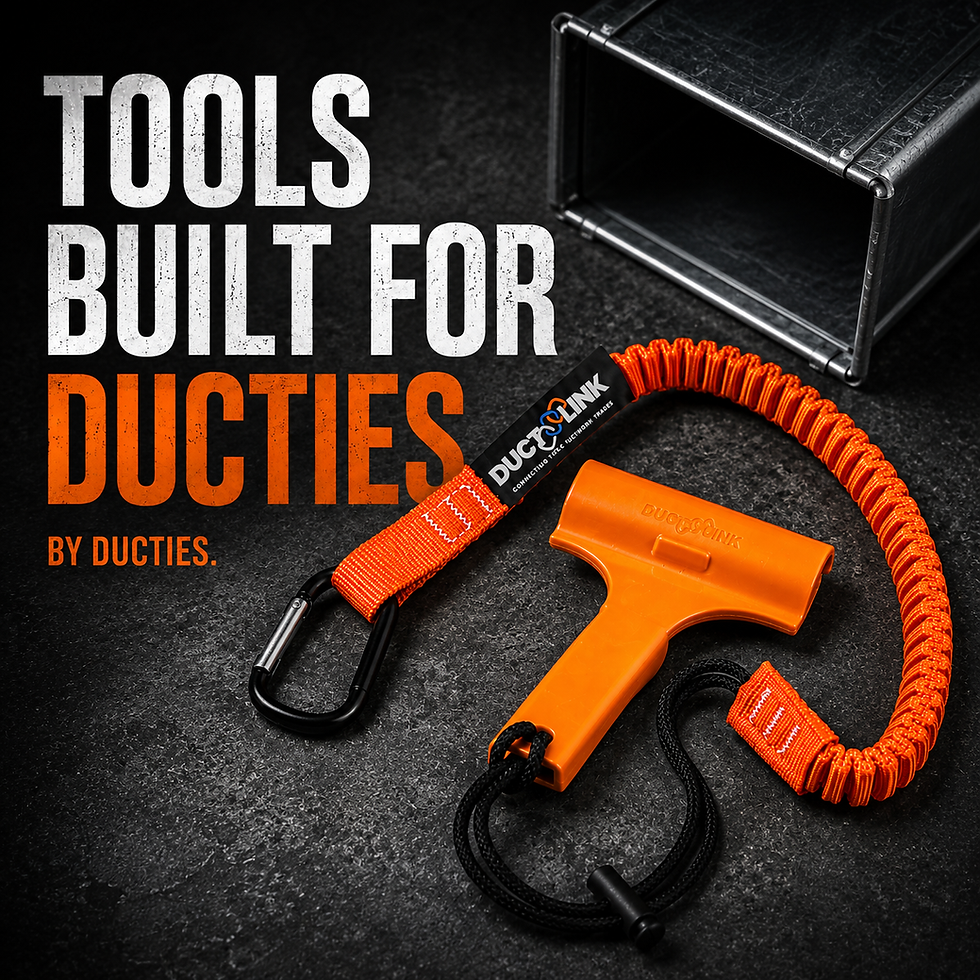
Looking for a cleat tool built for real ductwork installation?

What Materials Need Better Storage?
Ductwork and mechanical crews handle a wide range of materials on site.
Some are bulky. Some are long. Some are small but easy to lose. Some are valuable because they are needed at the exact moment of installation.
Common materials that need better storage include:
Threaded rods
Slotted angles
Unistrut
Copper pipes
Ductwork support materials
Brackets
Offcuts
Cleats
Small components
Duct fittings
Installation accessories
The problem is not always the cost of one missing item.
The real cost is the delay it creates when an installer cannot find the material needed to keep working.
The Hidden Cost of Poor Site Storage
Poor storage creates hidden costs that are easy to ignore until they start affecting the job.
An installer spends ten minutes looking for Unistrut.
Another installer walks back to the material area to find threaded rod.
A supervisor stops to check whether materials were delivered, moved or used by someone else.
Copper pipe gets scratched or damaged because it was left unsecured.
Offcuts disappear before they can be reused.
Individually, these moments may not look like much. Across a full commercial project, they can become expensive.
Poor duct storage can lead to:
Lost labour time
Slower installation progress
More manual handling
More damaged materials
More replacement purchases
More frustration on site
Poorer stock control
Increased clutter
Lower crew productivity
If your team is constantly searching, moving or replacing materials, the storage system is costing you money.

Types of Duct Storage Used on Site
There is no single storage option that works for every material or every site.
The right choice depends on what you need to store, how often you need to move it and how much control you need over the materials.
Here are the most common site storage options.
1. Floor Storage
Floor storage is the most basic option.
Materials are placed directly on the ground, usually in a corner, against a wall or near the work area.
This might seem convenient at first, but it can quickly become messy.
Floor storage can create problems such as:
Materials being stepped on or damaged
Long materials blocking access
Higher risk of trip hazards
Poor stock visibility
Materials getting mixed with other trades’ stock
More time spent searching
Floor storage may work temporarily, but it is not a strong long-term system for commercial ductwork sites.
BUILT FOR AUSTRALIAN SITES Tools and storage that perform where it matters.
TESTED BY DUCTIES
Designed by installers who use them every day.
SUPPORT LOCAL
Proudly supporting the Australian ductwork community
NEED HELP CHOOSING
Our team of Ducties is here to help you find the right tools and solutions for your next job.

2. Pallet Storage
Pallets are commonly used for deliveries and temporary storage.
They can help keep materials off the floor and make bulk movement easier with the right equipment.
However, pallets are not always ideal for daily site workflow.
Once materials are opened and used, the pallet can quickly become disorganised. Long materials can overhang, smaller items can get buried and stock can become difficult to track.
Pallet storage may be useful for bulk deliveries, but it should not be the only storage method for active installation materials.
3. Open Racking
Open racking can be useful for long materials such as pipe, rods, angles and strut.
It helps separate materials by type and length, which makes stock easier to see.
However, open racking has limitations on commercial sites.
It is not always easy to move, it may not be lockable and it may not suit areas where the crew needs materials to travel with the job.
Open racking can work well in workshops or fixed storage zones, but commercial sites often need more flexible storage.
4. Toolboxes and Job Boxes
Toolboxes and job boxes are useful for tools, small components and valuable items.
They provide protection and can usually be locked.
However, many standard job boxes are not designed around the specific needs of ductwork and mechanical crews.
They may not be practical for rods, angles, Unistrut, copper pipes or longer materials. They can also become messy inside if there is no clear organisation system.
A job box can be helpful, but it needs to match the material type and the way the crew works.
5. Mobile Lockable Storage
Mobile lockable storage is often the best option for active commercial installation work.
It helps solve three major problems at once:
Materials need to stay organised
Materials need to be protected
Materials need to move with the crew
For ductwork and mechanical installers, this is especially important because work areas change as the project progresses.
A mobile duct storage system can help installers keep rods, angles, Unistrut, copper pipes, offcuts and other materials closer to where they are needed.
This reduces wasted walking time, protects stock and gives the crew better control over materials on site.

What to Look for in a Duct Storage System
Before choosing a storage solution, think about how your crew actually works.
The best duct storage system should support the job, not slow it down.
Here are the key features to look for.
1. Mobility
Commercial sites are always changing.
Your storage should be able to move as the work area changes.
If materials stay in one location while the crew moves across the site, installers will waste time walking back and forward.
Mobile storage helps keep materials closer to the install zone.
2. Lockable Storage
On busy sites, materials can disappear quickly.
Sometimes they are borrowed. Sometimes they are moved. Sometimes they are taken by mistake. Sometimes nobody knows where they went.
Lockable duct storage gives your crew more control over their materials and helps reduce unnecessary losses.
3. Suitable for Long Materials
Not all storage is suitable for long materials.
Rods, angles, Unistrut and copper pipes need enough space to be stored properly without being bent, buried or damaged.
A good long material storage solution should make these materials easier to access, protect and manage.
4. Strong Enough for Site Conditions
Commercial construction sites are tough.
Storage equipment needs to handle movement, impact, dust, heavy use and daily handling.
Light-duty storage may look fine at first, but it often fails when used every day on site.
Choose storage that is designed for real commercial conditions.
5. Easy Stock Visibility
A good storage system should make it easier to know what you have.
If supervisors cannot quickly check stock, they may reorder materials unnecessarily or miss shortages until it is too late.
Better visibility means better planning and fewer surprises.
6. Cleaner Site Workflow
The right storage system should reduce clutter, not create more of it.
When materials have a clear place to go, work areas stay cleaner and crews can move more efficiently.
This also makes the site look more professional and easier to manage.
Why Long Material Storage Needs Special Attention
Long materials are some of the hardest items to control on site.
Threaded rods, angles, Unistrut, copper pipes and offcuts are often left loose because they do not fit neatly into standard boxes.
That is where problems begin.
Loose long materials can:
Get moved without anyone knowing
Be used by another trade
Become damaged
Block walkways
Get mixed with offcuts or waste
Take longer to find
Create unnecessary site clutter
For ductwork and mechanical crews, better long material storage is one of the simplest ways to improve site organisation.
It gives the crew a controlled place for materials that are otherwise easy to lose.
Meet the QBox: Mobile Long Material Storage for Commercial Sites
QBox is a mobile, lockable long material storage solution designed for ductwork and mechanical installers on commercial sites.
It helps crews organise, protect and move materials such as rods, angles, Unistrut, copper pipes, offcuts and other long site materials.
Instead of leaving materials loose on the floor, stacked against walls or mixed with other trades’ stock, QBox gives your crew a secure and organised storage point that can move with the job.
The Ductlink QBox is built for Ducties who need better control of their materials on busy commercial sites.
It is designed to help reduce lost materials, reduce wasted search time and support a cleaner, more productive site setup.
Looking for a QBOX built for real ductwork installation?
The Ductlink QBOX is designed for the repetitive demands of Australian commercial sites.

When Should You Use QBox?
QBox is a strong fit when your crew is dealing with materials that need to be organised, protected and moved around site.
It is especially useful when:
Your team works across multiple levels
Materials often go missing
Other trades move or use your stock
Rods, angles or Unistrut are stored loose
Copper pipes or long materials need protection
Installers waste time searching for materials
Supervisors need better stock control
The site needs a cleaner material storage system
Your crew needs storage that moves with the job
If your current system depends on memory, floor piles or loose pallets, QBox can help bring structure to the site.
QBox vs Standard Site Storage
Standard site storage often works for general tools, but not always for ductwork and mechanical materials.
The difference with QBox is that it is built around the way Ducties and installation crews actually work.
Compared with loose site storage, QBox helps provide:
Better control of long materials
Better protection from damage
Better mobility across site
Better organisation for rods, angles and Unistrut
Less time spent searching
Less chance of materials being used by other trades
Cleaner work areas
Better stock visibility
A more professional site setup
A storage system should not just hold materials.
It should help the crew keep moving.
How Better Duct Storage Supports Profit
Profit on commercial installation jobs is closely tied to productivity.
When installers are installing, the job moves forward.
When installers are searching, walking, checking, carrying or replacing materials, productivity drops.
Better duct storage helps reduce the small delays that hurt margins over time.
A proper storage system can help your crew:
Save time
Reduce lost materials
Reduce avoidable damage
Improve stock control
Reduce unnecessary manual handling
Keep materials closer to the work area
Maintain a cleaner site
Improve overall workflow
Small improvements repeated every day can create a big difference across a full project.
Questions to Ask Before Choosing Duct Storage
Before choosing a duct storage system, ask:
What materials are we losing most often?
Are rods, angles, Unistrut or pipes being stored loose?
How often do installers search for materials?
Are other trades using or moving our stock?
Does our storage need to move with the crew?
Can the storage be locked?
Can supervisors check stock easily?
Is the storage strong enough for commercial site conditions?
Does the system reduce clutter or add to it?
Will this help installers spend more time installing?
These questions help you choose storage based on real site problems, not just available space.
The Bottom Line
The right duct storage system can improve the way your crew works every day.
It helps keep materials organised, protected and easier to access. It reduces wasted time, improves stock control and helps prevent long materials from disappearing on busy sites.
For commercial ductwork and mechanical crews, long material storage deserves special attention.
Rods, angles, Unistrut, copper pipes and offcuts are too easy to lose, damage or mix with other trades’ materials when there is no clear system in place.
QBox is Ductlink’s mobile, lockable long material storage solution built for Ducties and commercial installation crews.
It helps your team stop losing time, keep materials under control and focus on the work that actually makes money: installing.
Built by Ducties, for Ducties.
Do you want to see the QBOX? Shop the full Ductlink QBOX range at ductlink.com.au Keep Reading
Learn more about the tools and systems used by Australian ductwork installers:
Explore Ductlink’s full range of ductwork tools, storage and site solutions.
Follow us on Instagram @ductlink.au for tool tips, site hacks, and content built for Ducties.


Comments